When the Customer Walks In More Informed Than Your Sales Executive: How Voice Intelligence Closes That Gap
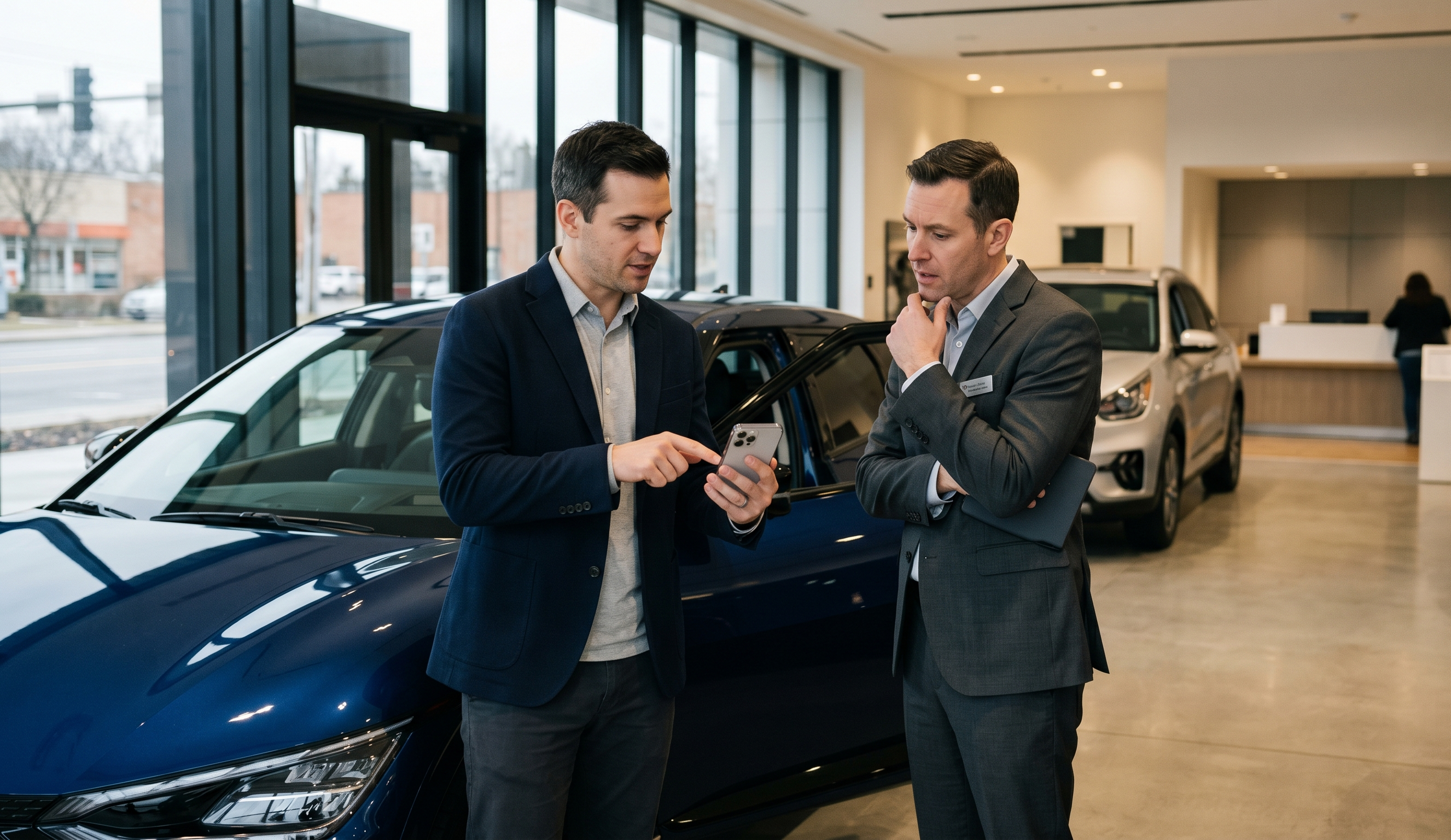
TABLE OF CONTENTS
1. The Moment the Balance of Knowledge Shifts
It happens more often than most dealership managers are comfortable admitting.
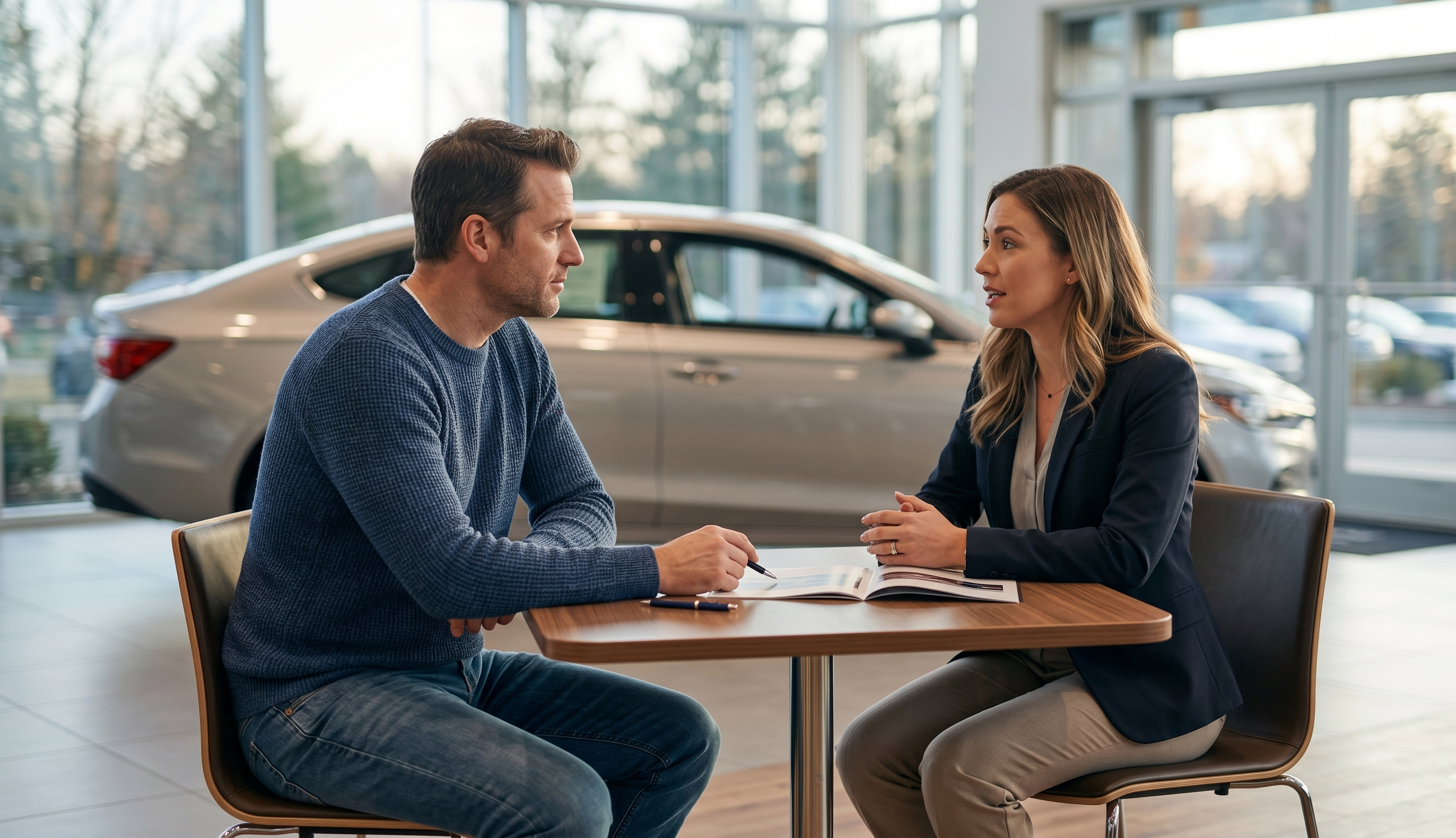
A customer walks in with a level of product knowledge that is deeper, more current, and more specific than what the sales executive assigned to them can match. The customer has spent weeks researching. They know the variant breakdown better than the executive who has been selling the model for six months. They have read owner forums and know about a recurring issue with a particular feature that the executive has never heard mentioned in training. They ask a question that the executive cannot answer confidently, and the customer notices the hesitation.
In that moment, the relationship changes. The customer is no longer looking up to the sales executive as the expert guide through a significant purchase decision. They are looking across at a peer who knows less than they do, or worse, looking down at someone they need to manage around in order to get to the information they actually came for.
That shift in the relationship dynamic is commercially damaging in ways that are difficult to recover from. It does not always kill the deal. But it makes the deal harder to close and significantly more vulnerable to being won by a competitor whose sales executive can hold their own with an informed buyer.
2. Why the Knowledge Gap Exists and Why It Is Getting Wider
The knowledge gap between informed automotive buyers and the sales executives who serve them is structural. It exists because the tools and incentives available to a motivated car buyer for researching a vehicle purchase have become significantly more powerful than the training programs most dealerships use to keep their sales teams current.
A buyer who is planning to spend a significant sum on a vehicle has a powerful personal motivation to research thoroughly. They have access to manufacturer websites, independent review platforms, owner communities, video content, comparison tools, and real owner experiences from people who bought the same vehicle months or years ago. They research at their own pace, revisiting sources, cross-referencing claims, and building a detailed picture over weeks.
A sales executive, by contrast, has product training that is delivered periodically, covers a range of models simultaneously, and is necessarily more general than the depth a focused buyer can achieve on a single model. They are managing a full pipeline of customers with varying needs and spending relatively little of their working time in deep product research on any individual model.
The result is a structural knowledge gap that is not the fault of the sales executive and cannot be fully closed by more product training alone. The informed buyer will often simply know more about the specific vehicle than the executive who is selling it.
What the sales executive can and must do is close the gap through a different kind of expertise. Not product knowledge, but customer knowledge. The ability to understand this specific customer's situation more completely than any website or forum can, and to use that understanding to guide the conversation in ways that add genuine value regardless of the product information asymmetry.
3. What Voice Intelligence Reveals About the Knowledge Gap in Your Dealership
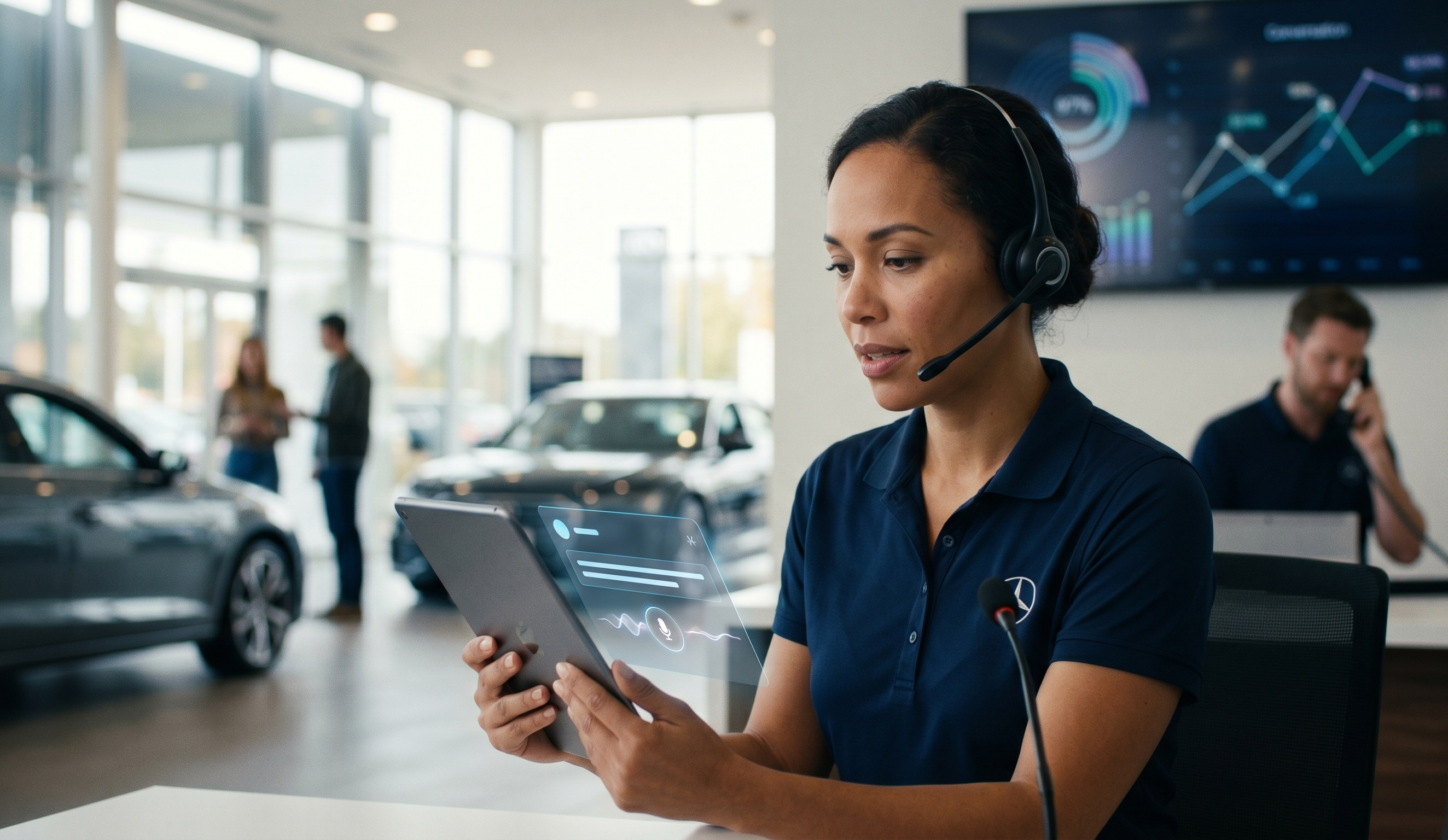
When in-showroom voice intelligence analyses conversations between sales executives and informed buyers, the knowledge gap shows up in identifiable patterns that are more specific and more correctable than a general sense that some executives are stronger on product knowledge than others.
The platform identifies the specific moments in conversations where the balance of knowledge shifts in the customer's favor and how the sales executive responds to that shift. Some executives manage it well. They acknowledge the customer's knowledge with genuine respect, reorient the conversation toward the customer's specific situation and concerns, and find the areas where their expertise genuinely adds value. The customer's trust in them increases rather than decreases because the executive demonstrated self-awareness and adaptability.
Other executives respond to the knowledge shift with deflection or overconfidence. They provide an answer that sounds plausible but lacks the specific depth the customer was looking for. The customer's subsequent responses reveal that the credibility of the executive has been quietly undermined.
Others still simply do not recognize that the shift has happened. They continue with their standard approach as though the customer needed the same guidance that a less-informed buyer would. The mismatch between what the executive is offering and what the customer actually needs creates a conversation that feels misaligned and ultimately leaves the customer wondering whether this dealership is sophisticated enough to earn their business.
Each of these response patterns is identifiable in conversation data. Each requires a different coaching intervention. And none of them can be addressed with precision without the conversation evidence to make them specific.
4. The Skills That Close the Knowledge Gap
In-showroom conversation intelligence does not just identify where the knowledge gap is creating problems. It identifies the specific skills and conversational approaches that the most effective sales executives use to bridge it with informed buyers.
Those skills cluster around several consistent behaviors that appear repeatedly in the conversations of executives who perform strongly with informed customers.
They lead with curiosity rather than presentation. Rather than starting with product information, they start with questions that signal genuine interest in the customer's specific situation. Questions that explore why this vehicle, what this purchase means in the context of the customer's life right now, and what specific concerns or uncertainties remain after all their research.
They acknowledge and validate the customer's research explicitly. Not in a patronizing way but in a way that signals the executive has genuinely heard how much work the customer has done and respects it. That acknowledgement shifts the dynamic from a situation where the executive is trying to inform the customer to one where they are collaborating with them.
They find the edges of what the customer's research covered and add value there. Every online research journey has limits. There are things that expert reviews do not cover adequately, things that require direct experience of a specific customer's usage context, and things that only a human relationship with the dealership can address. The best executives find those edges quickly and fill them with relevant, specific insight.
They are honest about what they do not know. A sales executive who says they will find out the specific answer to a technical question and come back to the customer with it comes across as more credible, not less, than one who provides a vague answer to avoid showing a knowledge limit. The informed buyer respects intellectual honesty far more than confident-sounding inaccuracy.
5. How Coaching Closes the Gap Across the Team
The challenge with closing the knowledge gap across a dealership sales team is that the gap shows up differently for different executives. Some are strong on product knowledge but weak on the adaptive listening skills that serve informed buyers. Others have excellent interpersonal skills but have not kept their product knowledge current enough to engage credibly with a deeply researched customer. Others know the product well but do not recognize the informed buyer dynamic when it presents itself and apply the wrong approach as a result.
Generic product training addresses only the first type of gap and only partially. It does nothing for the second or third.
Conversation intelligence allows coaching to be targeted at the specific gap each executive is experiencing. The platform shows precisely where each individual's conversations with informed buyers are breaking down and what kind of intervention is most likely to improve them. Coaching becomes personal and specific rather than uniform and general, which is what makes it produce lasting change rather than temporary adjustment.
Over time, as the coaching compounds and the most effective approaches with informed buyers become consistent practice across the team, the dealership develops a genuine advantage with the customer type that is increasingly dominant in the market. Not because they have more product knowledge than their competitors, but because their sales executives know how to use their knowledge more effectively in the conversations that matter.
6. The Competitive Stakes of Getting This Right
The informed buyer has a choice. In most markets, there are multiple dealerships selling the same or comparable vehicles. The decision about which dealership to buy from is not primarily about the product, since the product is the same. It is about the relationship. And the relationship is built in conversation.
A dealership whose executives consistently handle the knowledge shift poorly will lose those customers to competitors whose showroom conversation left the customer feeling more understood, more respected, and more confident in the relationship they were entering into.
The informed buyer is not going away. The depth of online research available to automotive customers will only increase. The dealerships that invest now in understanding and improving how their sales executives engage with these customers, using the specific evidence that conversation intelligence provides, are building a capability that will become more valuable with every passing year.
"The informed buyer is not a threat to your dealership. They are your best opportunity. The conversation is what determines whether you capture it."
"Want to find out how your sales executives are currently handling informed buyers and where the knowledge gap is costing you deals?Book a free demo
and we will show you what your showroom conversation data reveals."

About Jinn Insights
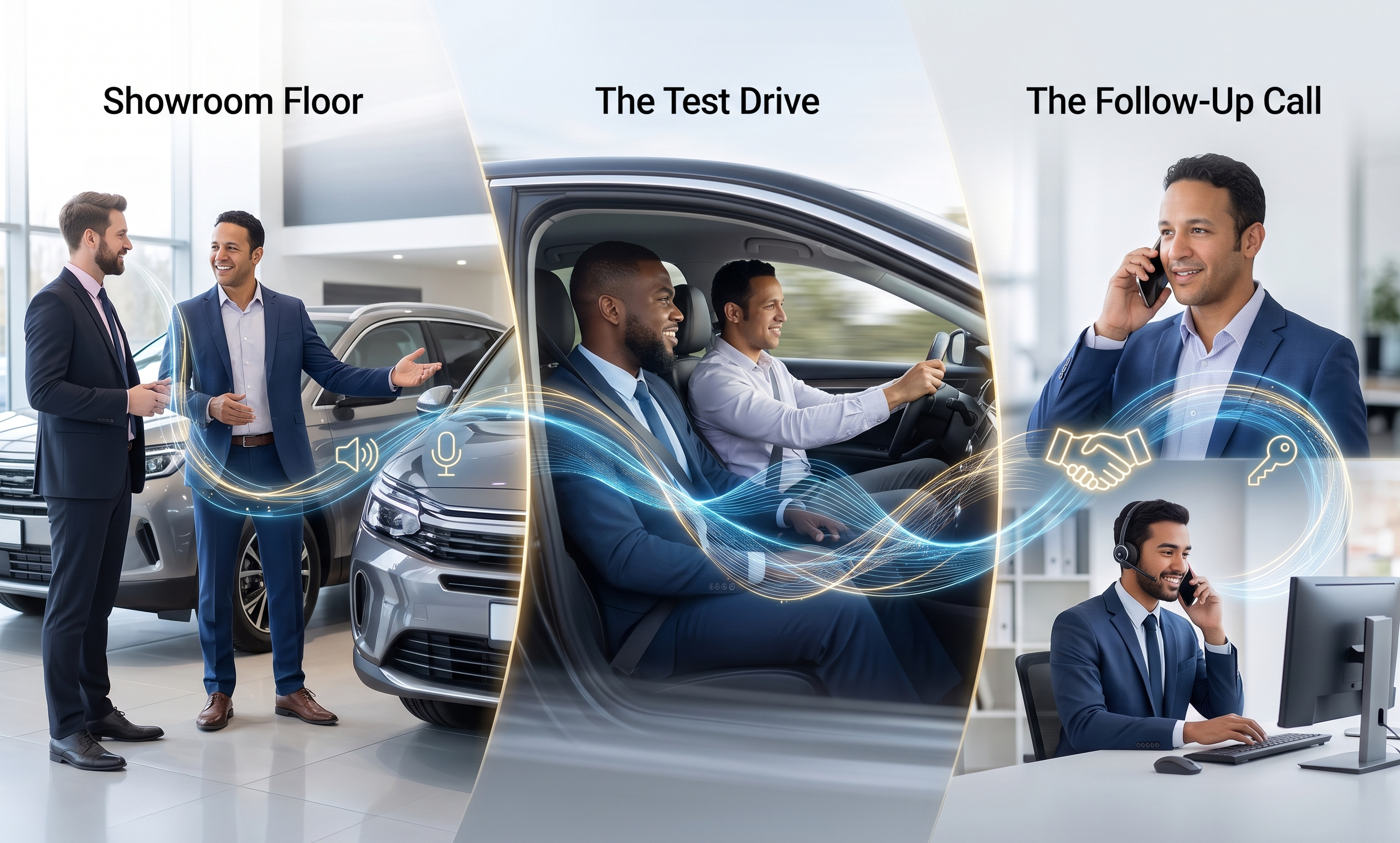
Jinn Insights studies what happens in real sales conversations on the retail floor. Our insights come from showroom, test drive and follow-up conversations captured by Jinn and scored from greeting to close.
Share Your Thoughts
Join the conversation and let us know what you think