The Test Drive Happened Six Months Ago. So Why Has the Customer Still Not Bought?
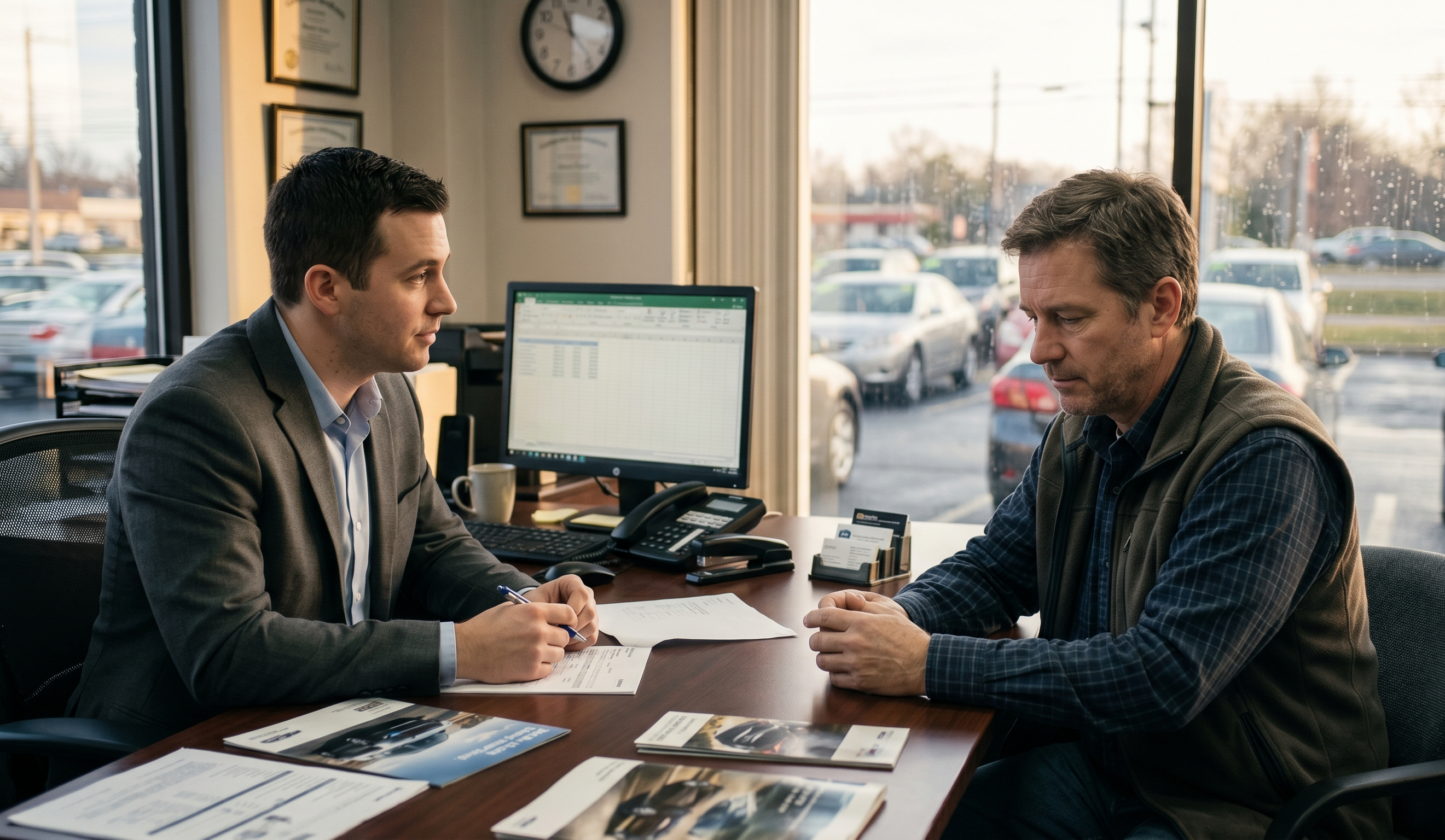
TABLE OF CONTENTS
1. Every Dealership Has a List Like This
Pull up your sales pipeline right now and look at the names sitting in it.
Some of them have been there for weeks. Others for months. A handful have been there so long that the sales executive who did the original test drive has since moved on and someone else inherited the follow-up.
These are customers who came in. Who showed genuine interest. Who sat in the vehicle, took it out on the road, asked specific questions about variants and colors and financing options. Who seemed, at some point in the process, to be genuinely close to making a decision.
And then something happened. Or more precisely, something did not happen. The momentum that existed on the day of the test drive was not maintained. The follow-up calls produced polite responses but no forward movement. The deal drifted. And now it sits in the pipeline, neither closed nor formally lost, consuming time and attention and quiet anxiety without producing a result.
This is one of the most expensive and most common problems in automotive retail. And in the vast majority of dealerships, nobody can explain with any precision why it keeps happening.
2. The Real Cost of a Deal That Drifts
Before examining why deals stall, it is worth being clear about what a drifting deal actually costs a dealership.
The test drive itself is a direct cost. Vehicle wear, fuel, insurance liability, and the time of a sales executive who accompanied the customer through the drive. That cost was incurred on the assumption that the probability of a sale justified it. When the sale does not come, that assumption is revealed to have been either wrong or insufficiently supported by what happened in the conversation.
Then there is the ongoing cost of the follow-up phase. Every call made, every message sent, every manager review of the pipeline status is resource being spent on a deal that may never close. In a dealership where sales executives are managing dozens of open leads simultaneously, the cumulative time cost of maintaining contact with drifting deals is significant.
There is also the opportunity cost. A sales executive spending time chasing a lead that has gone cold is not spending that time on a fresh prospect who might convert quickly. The pipeline that looks full of opportunity is, in many cases, partially full of deals that are quietly costing the dealership more than they are likely to return.
And beyond all of that, there is the competitive risk. A customer who visited your showroom six months ago has not been sitting still. They have continued their research. They have almost certainly visited other dealerships. They may have taken test drives elsewhere. Every week that passes without a meaningful conversation that moves their decision forward is a week in which a competitor has the opportunity to become the preferred choice.
3. Why the Drift Happens: The Conversation Intelligence Gap
The reason most dealerships cannot explain why deals drift is the same reason they cannot prevent it. There is no record of what was actually said.
The CRM has entries. Dates of contact. Status updates. Notes that a call was made and the customer said they were still considering. But the CRM cannot tell you what the customer said during the test drive that revealed their primary concern about the purchase. It cannot tell you whether the follow-up call actually addressed that concern or whether it was a generic check-in that left the customer no closer to a decision. It cannot tell you whether the sales executive who made the last call understood what stage of the decision process the customer was at or whether they were simply following a contact schedule.
The conversation that held the intelligence about this customer and this deal happened in the showroom, continued in the vehicle during the test drive, and has been playing out across follow-up calls ever since. And in almost every dealership operating today, none of those conversations have been captured, analyzed, or used to inform how the deal should be managed.
That is the automotive conversation intelligence gap. And it is the primary reason deals that should close end up drifting for months or disappearing entirely.
4. What the Conversation Actually Contains
Consider what a customer reveals across the three conversations that make up a typical automotive sales cycle.
In the showroom on the day of the test drive, they reveal what brought them in, what they have already researched, which competitors they have spoken to, what their timeline looks like, and what factors are most important to their decision. They reveal whether the financing conversation is going to be straightforward or complex, whether a family member is involved in the decision, and whether there is a specific trigger for the purchase like a vehicle exchange or an upcoming occasion.
In the vehicle during the test drive, they reveal something even more valuable. Their unguarded, real-time reaction to the product. The things they love about the drive. The things that concern or surprise them. The comparisons they make spontaneously to other vehicles they have considered. The questions they ask when they are relaxed and engaged rather than in a formal sales environment.
In the follow-up calls over the weeks and months that follow, they reveal where they are in their decision process at each point in time. What has changed since the test drive. What new concerns have emerged. What a competitor offered that gave them pause. What would actually move them forward right now if the sales executive knew to address it.
All of that intelligence exists. It has been expressed, out loud, across multiple conversations over the course of the sales cycle. In most dealerships, virtually none of it has been captured or acted on in any systematic way.
5. The Dealership That Knows What Was Said
Now consider what changes when a dealership has access to that conversation intelligence. The sales manager reviewing a drifting deal does not have to guess why it has stalled. They can look at the conversation record and see exactly what the customer said during the test drive that revealed their primary hesitation. They can hear the follow-up calls and identify the moment where the conversation could have turned but did not because the sales executive did not recognize the signal.
The coaching conversation changes completely. Instead of general guidance about following up more persistently or handling objections more confidently, the manager can say something specific. Something like: this customer told you during the test drive that their main concern was the financing terms, and in four subsequent calls that topic has never been directly addressed. Here is how to open that conversation in a way that moves things forward.
The follow-up call itself becomes more purposeful. The sales executive who knows what the customer said during the test drive, what their concerns were and what they were most excited about, can have a conversation that feels genuinely connected to the customer's specific situation. That kind of personalised, intelligent follow-up is what actually moves a decision forward. The generic check-in call does not.
6. Six Months Is Not Inevitable
The assumption that six months between test drive and purchase is simply the nature of automotive retail deserves to be challenged.
Some of that time reflects genuine customer circumstances. Financial decisions take time. Family discussions take time. Auspicious dates and seasonal considerations are real factors in many markets. These cannot and should not be rushed.
But a significant portion of the extended automotive sales cycle is not driven by customer circumstances. It is driven by conversations that failed to maintain momentum. Follow-up calls that did not address what the customer actually needed to hear. Objections that were raised and never properly resolved. Opportunities to move the decision forward that were present in the conversation but went unrecognized.
That portion of the sales cycle is not inevitable. It is a consequence of managing the customer relationship without the intelligence to do it well.
In-showroom and telephonic voice intelligence gives dealerships that intelligence for the first time. Not by changing the nature of the automotive purchase decision, but by ensuring that every conversation across the sales cycle is as informed, as purposeful, and as effective as it needs to be to keep the customer moving forward.
The test drive that happened six months ago should have led to a purchase by now. Understanding why it did not is the first step to making sure it does not keep happening.
"Six months between test drive and purchase is not a customer problem. It is a conversation problem. And conversation problems have solutions."
"Want to find out what your showroom, test drive, and follow-up conversations are revealing about your drifting deals?Book a free demo
and we will show you what the intelligence looks like across your full sales cycle."

About Jinn Research
Jinn Research studies what happens in real sales conversations on the retail floor. Our insights come from showroom, test drive and follow-up conversations captured by Jinn and scored from greeting to close.